Condenser coil cleaning
We pull the coil, wash it with a coil cleaning pump, and straighten bent fins with a fin comb. A clean condenser coil drops head pressure and lets the compressor run cooler and shorter cycles.
If you want ac maintenance azusa CA homeowners actually schedule every year, our techs deliver it: coil cleaning, refrigerant charge checks, capacitor and contactor testing, and a full airflow inspection. We serve houses, condos, and small commercial spaces across Los Angeles County, from the Citrus Avenue Corridor up into the Azusa Foothills. Book before summer and skip the August emergency call.
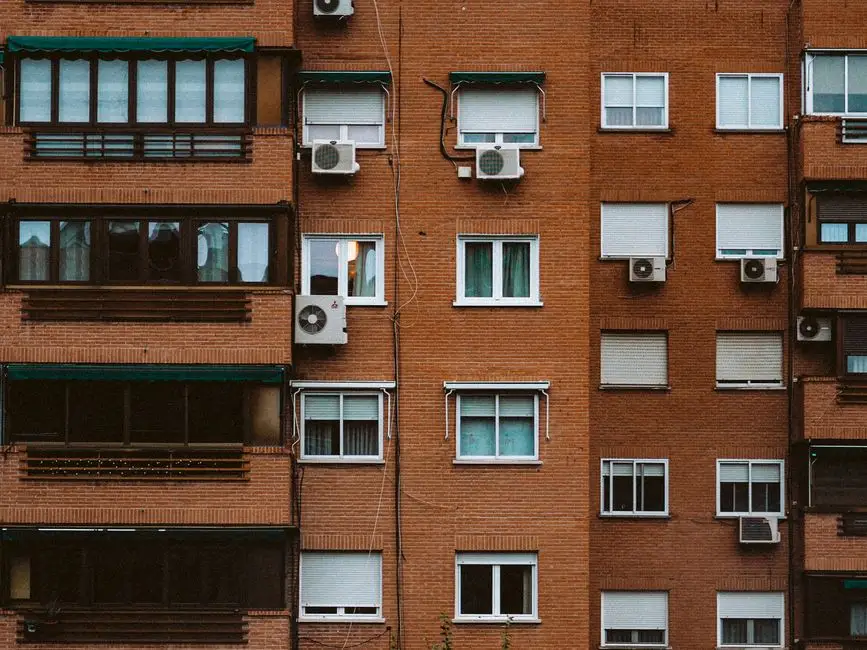
AC maintenance azusa CA is the scheduled service that cleans, tests, and tunes every part of your cooling system before it fails under load. A proper visit means pulling and washing the condenser coil, checking the evaporator coil for frost or dirt, verifying refrigerant charge with a manifold gauge set and micron gauge, testing the capacitor and contactor, flushing the PVC condensate drain line, and measuring supply-to-return temperature split with a psychrometer. It is not a filter swap and a handshake.
In Azusa, the work matters more than most people think. Summer afternoons push past 100 degrees along the Foothill Boulevard Corridor, and systems that ran fine in May start short cycling by July. An air conditioning tune up near me azusa search usually happens after something already broke. We would rather catch a weak capacitor or a slow refrigerant leak in April than replace a compressor in September. That is the whole point of a spring ac tune up azusa visit.
Every tune-up covers the full cooling system, not just a filter change. Here is what is standard on every visit, and what we quote separately if we find a problem.
We pull the coil, wash it with a coil cleaning pump, and straighten bent fins with a fin comb. A clean condenser coil drops head pressure and lets the compressor run cooler and shorter cycles.
Manifold gauge set and micron gauge readings against the data plate. If the charge is low, we look for the leak before adding refrigerant, because topping off a leaking system just delays the real fix.
Capacitor microfarad readings, contactor pitting, blower motor amp draw with a clamp meter, and control board inspection. Weak parts get flagged with a price before we replace them.
We flush the PVC condensate drain line and clean the trap. This is the single cheapest way to prevent water damage from a backed-up drain in the middle of summer.
Filter condition, duct sealant at the plenum, and supply-to-return temperature split with a psychrometer. If your ducts are leaking, we will show you where and what it costs to seal them.
You get a documented report with all readings, photos of anything we found, and a plain-English summary. No jargon, no pressure, and no work gets done without your approval.
Call (626) 765-0724 or book online. We confirm a two-hour arrival window and text you when the tech is on the way. Most tune-ups take 60 to 90 minutes for a single system, longer if you have a zoned setup or two condensers.
We start with a full walkaround: filter condition, thermostat settings, duct sealant at the plenum, and line set insulation. Then we take baseline readings with a clamp meter and multimeter on the compressor and blower motor so we can compare against factory spec.
The condenser coil gets washed with a coil cleaning pump and fin comb. The evaporator coil gets inspected for frost or dirt. A dirty condenser coil is the single biggest cause of high head pressure and short cycling we see on Azusa rooftops and side yards.
We hook up a manifold gauge set and micron gauge to verify refrigerant charge. If the system uses R-410A or the newer R-32 and R-454B blends, we check pressures against the data plate. Capacitors, contactors, and the control board get tested and any weak part gets flagged with a price before we touch it.
We flush the condensate drain line, check the thermostat wire connections, and reseal any duct joints with mastic. You get a written report with photos, readings, and a plain-English list of anything that needs attention. No pressure, no upsell scripts.

Call (626) 765-0724 or book online. We confirm a two-hour arrival window and text you when the tech is on the way. Most tune-ups take 60 to 90 minutes for a single system, longer if you have a zoned setup or two condensers.
Reads high-side and low-side refrigerant pressures so we can verify charge against the data plate on R-410A, R-32, and R-454B systems.
Pulls a deep vacuum and confirms it holds before any recharge. Skipping this step is how moisture gets into a system and kills a compressor.
Measures amp draw on the compressor and blower motor, and tests capacitors, contactors, and control board voltage under load.
Washes the condenser coil and straightens bent fins. A clean coil is the single biggest efficiency gain on most tune-ups.
Measures wet-bulb and dry-bulb temperatures at supply and return so we can calculate the actual temperature split.
Finds slow refrigerant leaks that pressure testing alone can miss, especially at flare fittings and brazed joints.
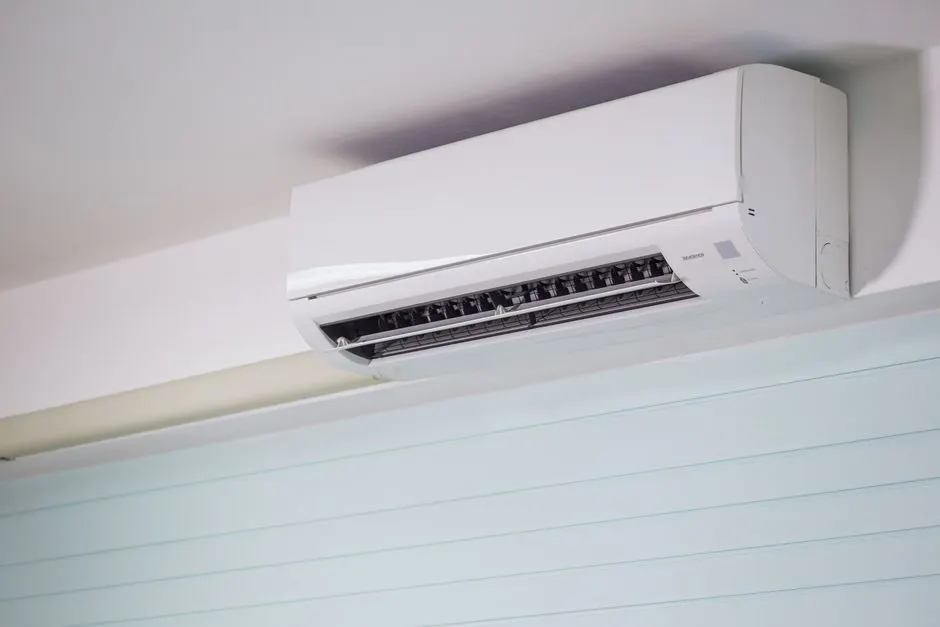
A 12-year-old Goodman system was short cycling every 8 minutes and the house would not cool below 80 degrees. The homeowner was ready to replace the whole system.
After: We found a weak capacitor and a condenser coil that was 60 percent clogged. After cleaning the coil and replacing the capacitor, the system ran full 20-minute cycles and held 74 degrees on a 102-degree day. Repair cost was under $300.
Book this service →
A Trane system in the Azusa Foothills was freezing up every few days. The homeowner was thawing it manually and running it on fan-only to get by. Two other companies had topped off refrigerant without finding the leak.
After: We used an electronic leak detector and found a leaking Schrader valve and a loose flare fitting. We repaired both, pulled a deep vacuum with a micron gauge, and recharged to spec with R-410A. The system has not frozen since.
Book this service →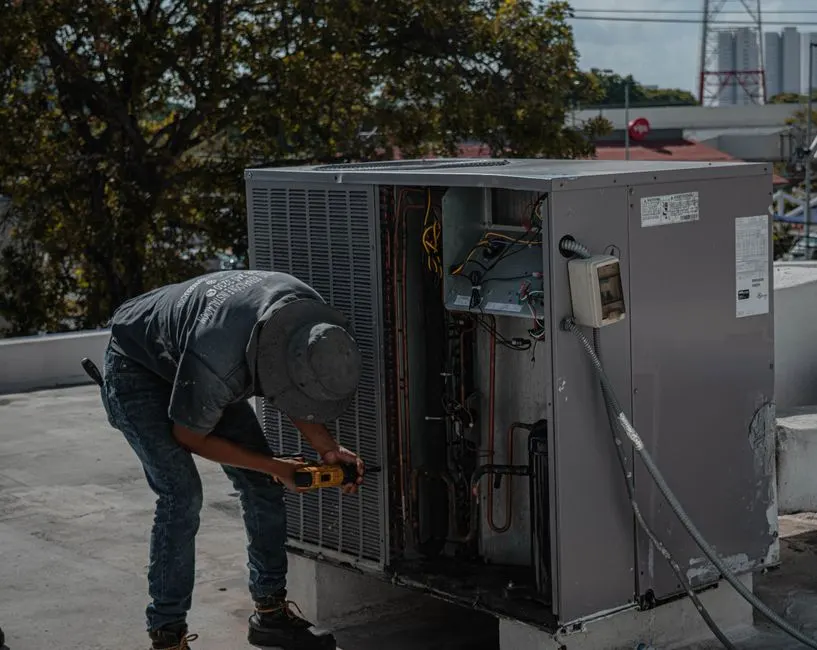
A Downtown Azusa homeowner called about a musty smell near the air handler. The condensate drain line was partially clogged and water was starting to overflow the pan onto the closet floor.
After: We flushed the PVC condensate drain line, cleaned the trap, and checked the float switch. The musty smell cleared within a day. No water damage to the floor or drywall, and the pan has stayed dry through the rest of the summer.
Book this service →Most summer breakdowns start as small issues that a spring tune-up would have caught. Here are the ones we see most often in Azusa.
Ask a pro →We check refrigerant charge, capacitor condition, and compressor amp draw on every tune-up. A weak capacitor or low charge gets caught in spring, long before it becomes a no-cool call in the middle of a heat wave.
Short cycling usually traces to a dirty condenser coil, an oversized system, or a failing thermostat. We clean the coil, verify charge, and test thermostat calibration so the system runs full cycles again.
We flush the PVC condensate drain line and clean the trap on every tune-up. If the line is already clogged, we clear it and check the pan and float switch before we leave.
A frozen coil usually means low refrigerant charge or restricted airflow. We check the filter, blower motor, and charge, then find and repair the leak instead of just topping off the system.
“Our AC was short cycling every 10 minutes by July. The tech found a weak capacitor and a dirty condenser coil, cleaned everything, and swapped the part the same visit. House cooled down 6 degrees faster and our July bill dropped about $40. Booking the annual plan now.”
Marisol R.Homeowner, North Azusa
✓ Verified“We have a 20-year-old Trane that we were ready to replace. Azusa Breeze talked us out of it, did a full tune-up, and told us the compressor was still strong. That was two summers ago and it is still running. Honest work, no upsell.”
Daniel K.Homeowner, Azusa Foothills
✓ Verified“I manage four rentals in Azusa and use them for all the tune-ups. They show up on time, send photos of everything they find, and the invoices are clean. The maintenance plan saves me money and I do not get 2 a.m. tenant calls anymore.”
Priya S.Property Manager, Citrus Avenue Corridor
✓ VerifiedMost single-system tune-ups in Azusa run $99 to $189 in 2026, and a two-system home lands between $179 and $329. That covers coil cleaning, refrigerant charge check, electrical testing, and drain flush. If we find a bad capacitor or contactor, we quote the repair before touching anything. Maintenance plan customers pay less per visit and get priority scheduling all summer.
Once a year minimum, ideally in spring before the first 95-degree week. If you have pets, live near the Foothill Boulevard Corridor where dust blows off the foothills, or run a system more than eight months a year, twice a year is smarter. We schedule most Azusa customers in March or April so the system is ready before the real heat arrives.
A full visit covers condenser coil cleaning, evaporator coil inspection, refrigerant charge verification with a manifold gauge set, capacitor and contactor testing, blower motor amp draw, condensate drain flush, thermostat calibration, and a duct sealant check. You get a written report with photos and readings. Anything that needs repair gets quoted separately with no obligation.
Yes. Our annual plan includes two visits per year, priority scheduling during heat waves, and a discount on any repair we find. Plan customers also get first call on same-day slots in July and August, when the schedule fills up fast. Call (626) 765-0724 and we will walk you through what the plan covers.
Spring slots fill fast, and summer emergency calls cost three to four times more than a scheduled tune-up. Call (626) 765-0724 and we will get you on the schedule. Same-day appointments available when the board allows.
Book a Tune-Up (626) 765-0724 →Call (626) 765-0724 or email info@azusabreezehvac.com and we will get you on the schedule. We answer the phone seven days a week, run emergency calls around the clock, and aim to have a tech at your door the same day for no-cool calls across Azusa and Los Angeles County.