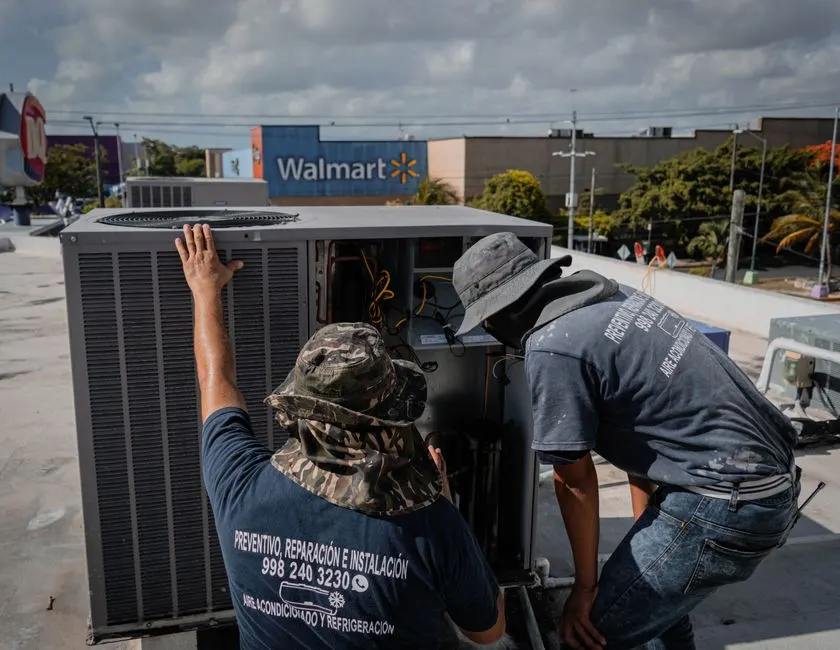
Same-day mini split service for homes and shops across Azusa
Ductless Mini-Split Repair azusa CA Done Right the First Time
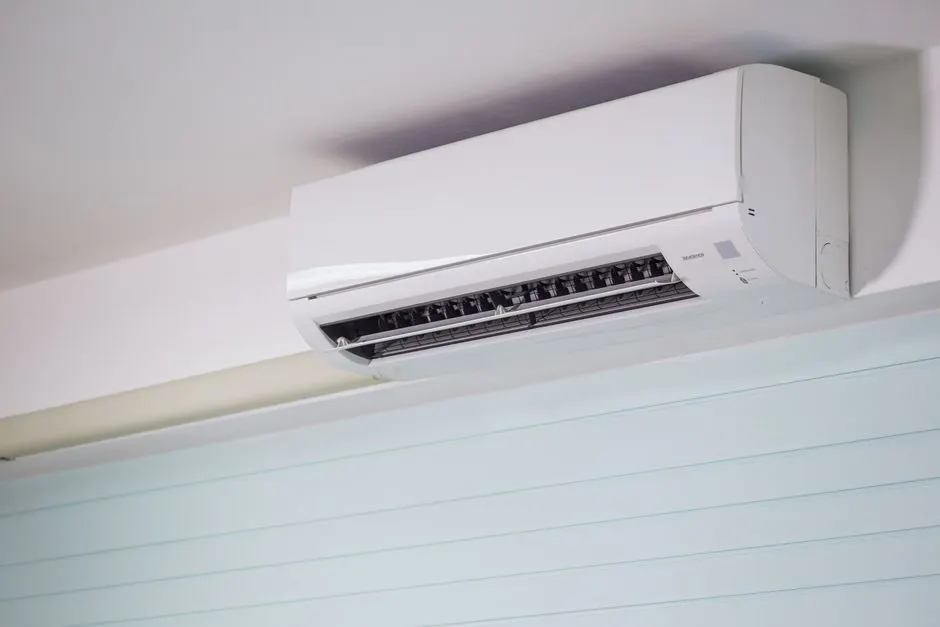
When your ductless mini split repair azusa CA call comes in, we roll a stocked van to your door and diagnose the unit on the first visit. We handle every brand, from Mitsubishi Electric and Daikin wall heads to LG and Samsung multi-zone systems, and we fix the cause instead of just topping off refrigerant. One call gets your cooling back.
Ductless Mini-Split Repair azusa CA That Actually Lasts
Ductless mini split repair azusa CA is the diagnostic and mechanical work that restores a wall-mounted heat pump system to full cooling and heating output, and it is needed the moment a head stops blowing cold, ices over, leaks water, or short cycles. A proper repair means finding the real fault, not guessing. We pressure-test the copper line set, check the low refrigerant charge with a manifold gauge set, and meter the electrical side before we quote a single part.
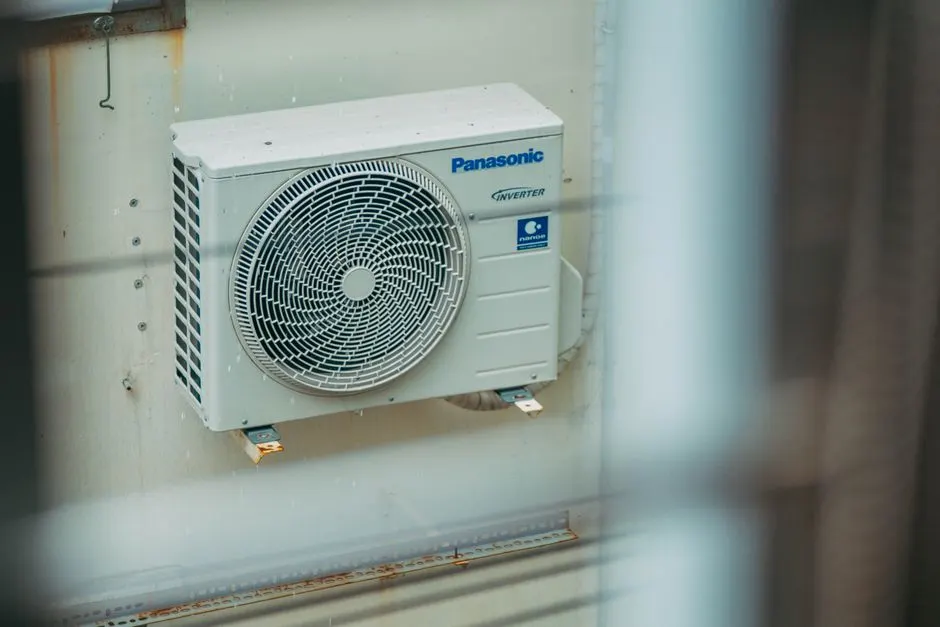
Azusa summers push condenser coils past 110 degrees on the inland side of the San Gabriel Valley, and that heat kills capacitors and compressor windings fast. Add dust from the foothills and cottonwood around Citrus Avenue, and clogged condensate drain lines and dirty blower wheels become routine. If your mini split is not cooling, our mini split repair azusa California team gets the head back to a 20-degree split between return and supply air.
Every repair visit includes a full diagnostic on both the indoor head and outdoor unit, a flat written price, and a post-repair performance check. Parts and refrigerant are quoted separately from labor so you can see exactly where the money goes.
01
✓
Full System Diagnosis
Indoor and outdoor units both get checked: pressures on the manifold gauge set, amp draw with a clamp meter, return and supply air temps with a psychrometer, and a visual on the coils and drain pan. This is where we find the actual fault.
02
✓
Refrigerant Leak Search
When charge is low, we run an electronic leak detector across the flares, line set, and evaporator coil, then confirm with a nitrogen pressure test. We do not just add refrigerant and hope it holds.
03
✓
Electrical Component Testing
Capacitors, contactors, thermistors, and inverter boards get metered individually. Failed parts are replaced with matching components, and we verify amp draw after the swap to confirm the fix.
04
✓
Coil and Drain Service
Dirty condenser coils get cleaned with a coil cleaning pump and fin comb. Clogged PVC condensate drain lines get cleared and flushed. Both are common causes of no-cool and water leaks in Azusa.
05
✓
Evacuation and Weighed Charge
Any repair that opens the refrigerant circuit ends with a vacuum pump pull to 500 microns on a micron gauge, then a recharge by weight on a refrigerant scale. No guessing by gauge pressure.
06
✓
Performance Verification
We run the head through a full cooling cycle and confirm the temperature split, check for condensate leaks, and verify the outdoor unit is pulling correct amps. You get the numbers in writing before we leave.
How it works
What to Expect on Repair Day
You call (626) 765-0724 and tell us what the head is doing: not cooling, blowing warm, dripping, or tripping the breaker. We book a window that fits your day, confirm the address, and text you when the tech is on the way. Emergency calls get priority routing.
The tech checks indoor and outdoor units, reads static and return air temps with a psychrometer, clamps the circuit with a clamp meter, and pulls pressures on the manifold gauge set. This takes 30 to 45 minutes and tells us whether the fault is electrical, refrigerant, airflow, or drainage.
We show you the readings, name the failed part, and give you a flat price for the repair. If the compressor or control board is gone, we tell you that too, along with what a replacement head would cost so you can decide. You approve before any work starts.
We replace the failed component, braze or re-flare as needed with a torch kit and flaring tool, then evacuate the line set with a vacuum pump and micron gauge. Refrigerant goes back in by weight on a scale, not by gauge guesswork. Most repairs finish in two to four hours.
We run the head through a full cooling cycle, verify the temperature split, check for condensate leaks at the drain pan, and confirm the outdoor unit is pulling correct amps. You get the readings and a short rundown of what failed and how to keep it from failing again.
STEP 01Call and Schedule
You call (626) 765-0724 and tell us what the head is doing: not cooling, blowing warm, dripping, or tripping the breaker. We book a window that fits your day, confirm the address, and text you when the tech is on the way. Emergency calls get priority routing.
Tools & methods
The Tools and Standards Behind Every Repair
01
✓
Manifold gauge set
Reads high and low side pressures on the refrigerant circuit so we can calculate superheat and subcooling and confirm the charge is correct.
02
✓
Vacuum pump and micron gauge
Pulls the line set and evaporator down to 500 microns after any repair that opens the circuit. Moisture left in the system is what kills compressors.
03
✓
Electronic leak detector
Sniffs flare connections, brazed joints, and coil surfaces for refrigerant leaks. Finds the small leaks that pressure gauges alone will miss.
04
✓
Refrigerant scale and recovery machine
Weighs refrigerant back into the system to factory spec and recovers old charge to EPA standards instead of venting it.
05
✓
Clamp meter and multimeter
Measures amp draw and tests capacitors, contactors, thermistors, and control boards. Electrical faults are the second most common mini split failure.
06
✓
Flaring tool and torch kit
Cuts and re-flares copper line set connections to the correct 45-degree angle and brazes joints where needed. Bad flares are the number one source of leaks on ductless systems.
Real results
Before and after.
Ductless Mini-Split Repair
No-Cool Bedroom Head Restored
A wall head in a Downtown Azusa home was blowing 78-degree air with the room at 86 degrees. The outdoor unit was running but the suction line was warm, and pressures read low on the manifold gauge set.
After: We found a leaking flare at the outdoor connection, cut and re-flared the copper line set, pulled a vacuum to 500 microns, and recharged by weight. Supply air dropped to 58 degrees, a 20-degree split.
A mini split in the Foothills was icing over every few weeks and dripping water onto the drywall. The blower wheel was packed with dust and the PVC condensate drain line was almost fully blocked.
After: We thawed the coil, cleaned the blower wheel and evaporator coil, cleared and flushed the drain line, and verified the slope. The unit ran a full cooling cycle without icing, and the pan drained clean.
A multi-zone system near Azusa Pacific University had one head short cycling every few minutes while the others ran fine. Amp draw on the outdoor unit was normal, but the indoor thermistor read 12 degrees off actual room temp.
After: We replaced the failed thermistor and tested the control board logic. The head held setpoint through a full cycle, and the other zones stopped compensating for the bad reading.
We check refrigerant charge, capacitor health, and coil condition on the first visit. Most no-cool calls trace back to a low charge from a flare leak or a failed run capacitor, and both are same-day fixes with parts we carry on the van.
↗02
Frozen evaporator coil on the wall head
We shut the unit down, thaw the coil safely, then find the cause: restricted airflow from a dirty blower wheel or filter, or a low charge from a slow leak. We clean, repair, and verify the temperature split before restarting.
↗03
Water dripping from the indoor head
We clear the PVC condensate drain line, flush the drain pan, check the slope, and confirm flow with a test pour. If the pan is cracked or the pump has failed, we replace it the same visit.
↗04
Short cycling and constant on-off operation
We test the thermistor readings against actual room temp, check the control board logic, and verify the unit is sized correctly for the space. Fixing the control side usually ends the cycling immediately.
↗
Proof you can check
Licensed, Certified, and Accountable
EPA Section 608 Universal Certification · U.S. Environmental Protection Agency
NATE Certification · North American Technician Excellence
California Contractor License C-20 (HVAC) · California State License Board
OSHA Safety Certification · Occupational Safety and Health Administration
AHRI Certification · Air-Conditioning, Heating, and Refrigeration Institute
Customer reviews
What Azusa Customers Say After a Repair
★★★★★
“Our bedroom mini split stopped cooling in the middle of a July heat wave. They came out the same afternoon, found a leaking flare on the line set, re-flared it, pulled a vacuum, and recharged the unit. House was cold by dinner. The invoice had the pressures written on it, which I appreciated.”
MR
Marisol R.Homeowner, Downtown Azusa
✓ Verified
“
★★★★★
“I manage a duplex with three ductless heads. One kept tripping the breaker and two other companies just replaced the capacitor and left. These guys actually tested the inverter board and found the real fault. Fixed it once, and it has run all summer without a single trip.”
DK
Danny K.Property Owner, North Azusa
✓ Verified
★★★★★
“Our wall unit was dripping water down the drywall. They cleared a badly clogged condensate drain line, flushed the pan, and checked the slope so it would not happen again. Took about 90 minutes and the price matched the quote exactly. I have already recommended them to a neighbor.”
Most ductless mini split repair cost in azusa CA runs $180 to $450 for common fixes like a bad capacitor, clogged drain line, or faulty thermostat, and $450 to $850 when refrigerant, a blower motor, or a control board is involved. Compressor replacement sits at the top of that range. You get a flat quote after diagnosis, before we start, so the number does not move.
The four most common causes are a dirty condenser coil, a frozen evaporator coil from restricted airflow, a low refrigerant charge from a flare leak, and a failed capacitor or inverter board. In Azusa, dust and 100-degree-plus summers push coil and capacitor failures to the front. We check all four on the first visit and tell you which one it is.
A standard repair takes two to four hours from arrival to final temperature check. Capacitor and drain line fixes often finish in about 90 minutes. Leak searches, compressor swaps, and control board replacements can run four to six hours, especially on multi-zone systems where we have to isolate each head and test the line set separately.
Yes. We take emergency mini split repair in azusa CA calls 24/7, including nights and weekends. If a bedroom head dies during a heat wave, call (626) 765-0724 and we will triage it by phone, tell you whether to shut the breaker, and get a tech routed to you as fast as we can.
Get Your Ductless Mini-Split Repair azusa CA Booked Today
One call to (626) 765-0724 gets a licensed tech on your mini split, with flat pricing and same-day slots most days. We serve Azusa and the surrounding Los Angeles County area, including ZIP codes 91702 and 91010. Call now and get your cooling back.
Call (626) 765-0724 or email info@azusabreezehvac.com and we will get you on the schedule. We answer the phone seven days a week, run emergency calls around the clock, and aim to have a tech at your door the same day for no-cool calls across Azusa and Los Angeles County.