ACCA Manual J load calc
We calculate the heating and cooling load for each room before we quote equipment. This is how we avoid undersized or oversized systems that never feel right.
When you need ductless mini split installation azusa CA homeowners can count on, our team handles the whole job: load sizing, wall mounting, line set routing, vacuum, and charge. We install Mitsubishi Electric, Daikin, and LG systems in homes across Los Angeles County. Whether you are adding cooling to a converted garage in the Azusa Foothills or replacing window units near Citrus Avenue, we get you comfortable fast.
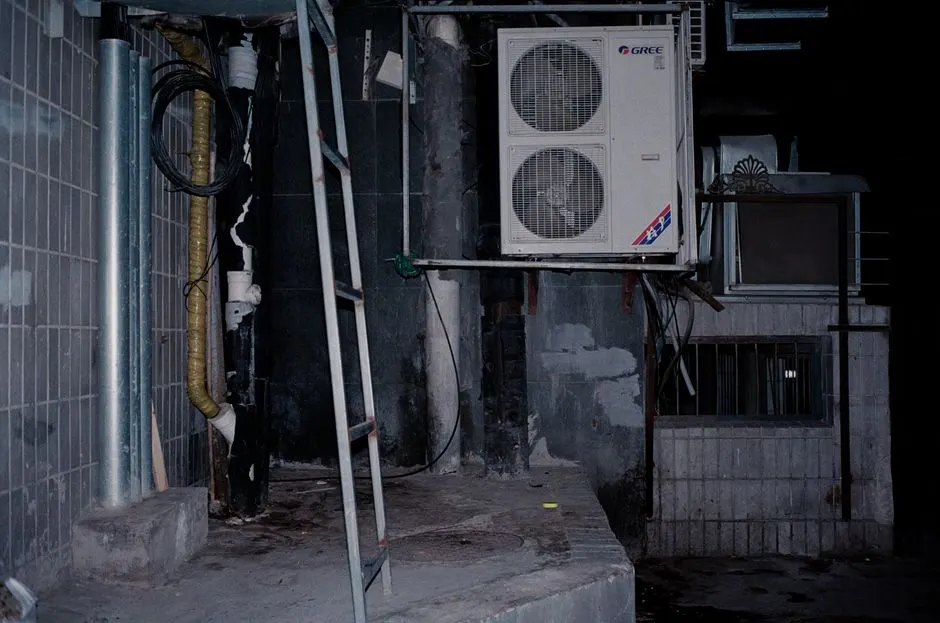
Ductless mini split installation azusa CA is the process of mounting one outdoor condenser and one or more indoor air handlers, then connecting them with a copper line set, PVC condensate drain line, and thermostat wire. There is no ductwork. Each indoor head cools or heats its own room, which is why these systems fit older Azusa homes that never had a central air chase. We run a vacuum pump down to 500 microns, weigh in R-410A or R-32 refrigerant with a scale, and commission the system before we leave.
Most Azusa calls come from two situations: a hot upstairs bedroom that the central system never reaches, or a converted garage or addition with no ducts at all. If you have been searching ductless ac installation near me azusa, you are probably tired of window units blocking your view and tripping your breaker. A new mini split installation near me azusa California homeowners trust means quiet operation, zone control, and a system that holds up through 100-degree San Gabriel Valley summers.
Every ductless mini split installation we do covers the full scope: sizing, mounting, line set, vacuum, charge, and commissioning. We do not hand you a half-finished job and tell you to call someone else for the rest. Here is what is standard on our installs.
We calculate the heating and cooling load for each room before we quote equipment. This is how we avoid undersized or oversized systems that never feel right.
Brackets are anchored to studs. Outdoor condensers sit on pads or wall brackets, clear of debris and out of the worst afternoon sun.
We run insulated copper line sets and PVC condensate drain lines, seal every wall penetration, and secure the run so it looks clean from the street.
We pull the system to 500 microns with a vacuum pump and micron gauge, hold it, then weigh in the exact refrigerant charge with a scale. No shortcuts.
We test cooling and heating, verify airflow, set the thermostat, and show you how to maintain the filters and read error codes.
We start with an ACCA Manual J load calculation on the rooms you want conditioned. That tells us the right tonnage instead of guessing. A bedroom that faces west in Azusa needs a different size than a shaded north-facing office. Skipping this step is why some installs short cycle and never feel right.
We walk the house with you and pick indoor head locations that throw air where you actually sit, not at the back of your head. Outdoor condenser placement matters too: we keep it out of direct afternoon sun and clear of the fence line so it can breathe.
We mount the indoor bracket to studs, drill a small penetration, and run the copper line set, condensate drain, and control wire. Lines get insulated, secured, and sealed at the wall. A clean run looks intentional, not like an afterthought.
This is where the job is won or lost. We pull a deep vacuum with a micron gauge and hold it to confirm there is no moisture or leak in the system. Then we weigh in the exact refrigerant charge per the manufacturer spec. No guesswork, no topping off by feel.
We power up, test cooling and heating modes, check static pressure and airflow at each head, and set your thermostat. Then we show you how to clean the filters, what the error codes mean, and how to reach us if anything looks off. Most single-zone installs wrap in three to five hours.

We start with an ACCA Manual J load calculation on the rooms you want conditioned. That tells us the right tonnage instead of guessing. A bedroom that faces west in Azusa needs a different size than a shaded north-facing office. Skipping this step is why some installs short cycle and never feel right.
Used to read system pressures during commissioning and verify the refrigerant charge matches the manufacturer spec.
Pulls moisture and air out of the line set before charging. We hold below 500 microns to confirm the system is dry and leak-free.
Lets us weigh in the exact charge by ounces instead of guessing. Critical on inverter-driven systems that are sensitive to overcharge.
Produces clean, precise flares on copper line sets. A bad flare is the number one cause of slow refrigerant leaks on mini splits.
We pressure-test with nitrogen and use an electronic leak detector to confirm the system is sealed before we charge it.
Used to verify voltage, amperage draw, and control signals at startup so the system runs within spec.
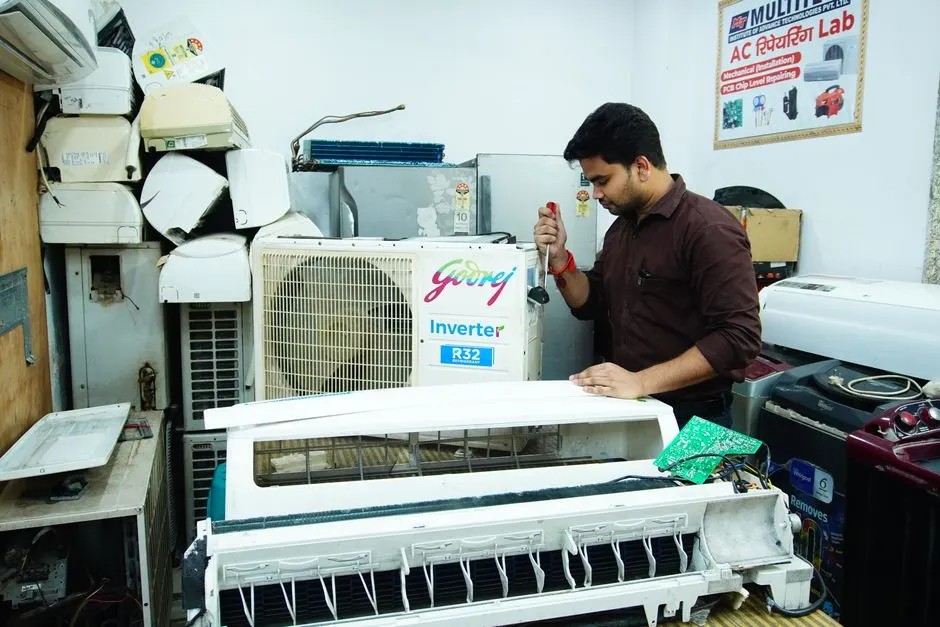
A 160-square-foot bedroom faced west and hit 88 degrees every afternoon. The central system could not push enough air upstairs, and a window unit tripped the breaker when the compressor kicked on.
After: We installed a 12,000 BTU Mitsubishi Electric mini split with the indoor head on the shaded wall. The room now holds 72 degrees at 4 p.m., and the window unit is gone.
Book this service →
A homeowner turned the garage into a home office but had no ductwork and no way to cool it. Portable AC units were loud, and the room still hit 85 degrees by midday.
After: We installed a single-zone Daikin system with its own thermostat. The office now holds 74 degrees all day, and the homeowner can take calls without background noise.
Book this service →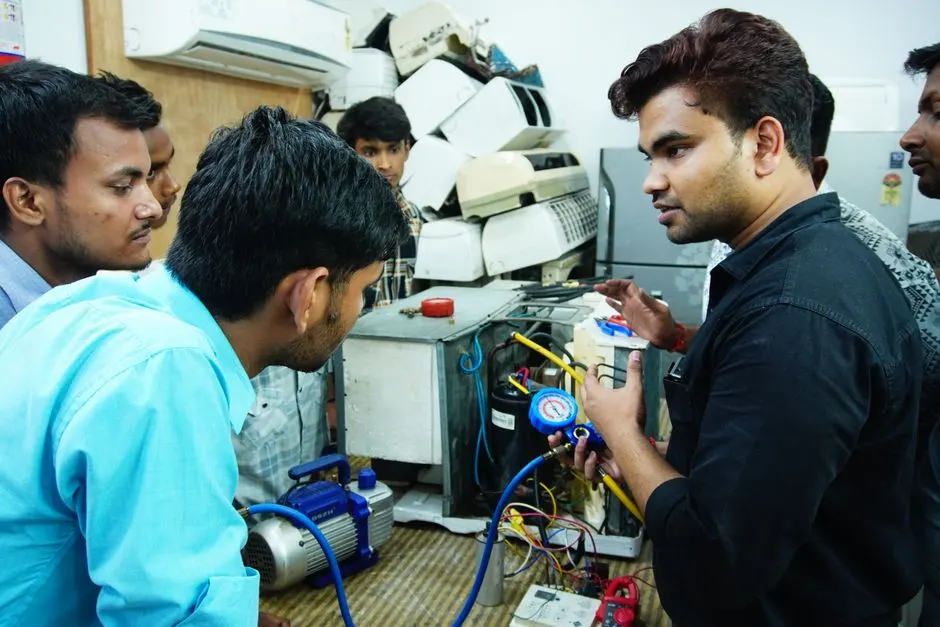
A family ran three window units in the living room and two bedrooms. The windows were blocked, the breakers tripped regularly, and the house was loud all summer.
After: We installed a three-zone LG mini split with heads in each room. The windows are clear, the breakers stopped tripping, and the house runs quieter than it has in years.
Book this service →Ductless systems fix comfort issues that ducted systems cannot. Here are the most common problems Azusa homeowners bring to us, and how we solve them.
Ask a pro →We install a dedicated ductless head for that room. It cools the space directly, no ductwork required, and you control it with its own thermostat.
A single-zone mini split handles the whole space quietly. We size it with Manual J, run the line set through one small wall penetration, and you are done.
Zoned ductless cooling lets you run only the rooms you are in. Most customers see a noticeable drop in summer usage within the first full billing cycle.
We install ductless heads on the problem floor and leave the existing system for the rest. Each zone runs independently, so both floors stay where you want them.
“Our upstairs bedroom was unbearable every summer. The team ran a Manual J, recommended a 12,000 BTU Mitsubishi unit, and had it installed in one afternoon. Quiet, cold, and the line set looks clean on the outside wall. No more sleeping in the living room.”
Marisol R.Homeowner, North Azusa
✓ Verified“We converted our garage into an office and had no ductwork. They installed a single-zone Daikin system and walked me through filter cleaning. Two months in, the room holds 72 degrees even when it is 98 outside. Worth every dollar.”
Daniel K.Homeowner, Azusa Foothills
✓ Verified“Called for a quote on a three-zone setup. They explained the load calc, showed me the vacuum reading at commissioning, and finished in two days. The house is finally even. No more fighting over the thermostat with my husband.”
Priya S.Homeowner, Citrus Avenue Corridor
✓ VerifiedMost single-zone installs in Azusa run $3,500 to $6,500 in 2026, including equipment, line set, and labor. Multi-zone systems with three or four heads typically land between $9,000 and $18,000 depending on brand and capacity. Mitsubishi Electric and Daikin tend to sit at the higher end; Goodman and LG sit lower. We provide a written quote after the load calculation so you know exactly what you are paying for.
A single-zone mini split installation takes three to five hours on a typical Azusa home. A two-zone job runs a full day. Three or more zones usually take two days, especially if we are running line sets through finished walls or up an exterior wall to a second story. We give you a realistic window when we quote, not a best-case guess.
It depends on square footage, ceiling height, window area, and insulation, which is why we run an ACCA Manual J load calculation. A typical 150-square-foot Azusa bedroom usually lands around 9,000 BTU. A 400-square-foot living space often needs 12,000 to 18,000 BTU. West-facing rooms with big windows run higher. Guessing by square footage alone is how systems end up undersized.
Yes, we offer financing options on qualifying installs so you can spread the cost over time instead of paying everything upfront. Approval usually takes a few minutes, and we can walk you through the terms before you commit. Ask about it when you call (626) 765-0724 and we will match you with the option that fits your budget.
Licensed, insured, and local to Azusa. We run the load calc, quote the job honestly, and install it right. Call (626) 765-0724 and we will get you scheduled.
Get a Free Quote (626) 765-0724 →Call (626) 765-0724 or email info@azusabreezehvac.com and we will get you on the schedule. We answer the phone seven days a week, run emergency calls around the clock, and aim to have a tech at your door the same day for no-cool calls across Azusa and Los Angeles County.