Full-system inspections for homes and small businesses
Hvac inspection azusa CA that stops breakdowns early
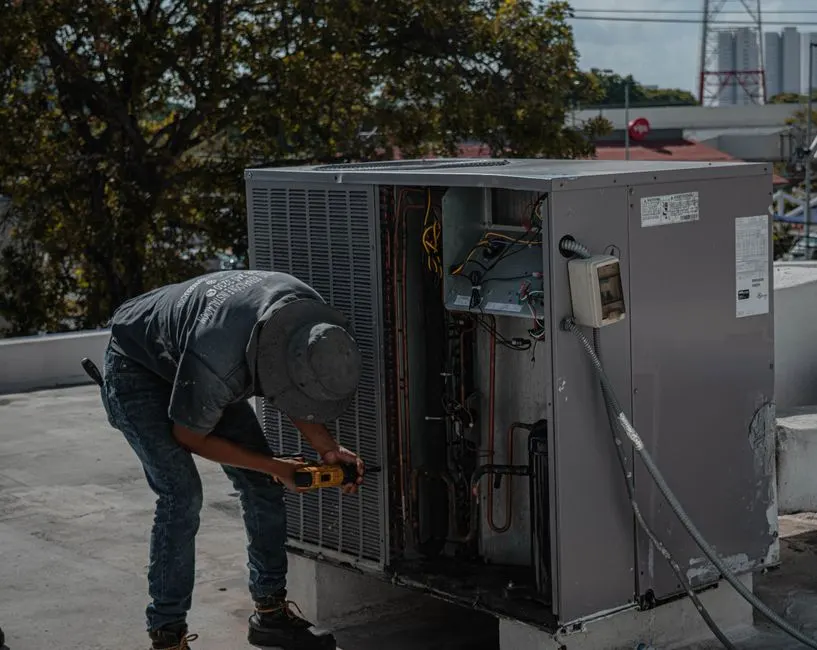
A proper hvac inspection azusa CA covers far more than a filter swap. We test refrigerant charge, amp draw, capacitor health, airflow, and drain flow, then hand you a written report with photos. If you have skipped tune-ups for two or three years, or your system short cycles on hot afternoons, this preventive hvac maintenance azusa California visit is the cheapest repair you will ever buy.
An hvac inspection azusa CA is a top-to-bottom mechanical and electrical evaluation of your heating and cooling equipment, performed before something fails rather than after. We pull amp readings at the compressor and blower motor, check the capacitor and contactor for swelling or pitting, verify refrigerant charge against the data plate, measure static pressure across the evaporator coil, and flush the PVC condensate drain line. Every reading gets logged, so you can see the trend from one visit to the next instead of guessing.
Azusa sits at the foot of the San Gabriel Mountains, where summer afternoons push past 100 degrees and winter nights drop into the 40s. That swing works equipment hard. Add the dust that blows down off the foothills and the older housing stock along the Citrus Avenue Corridor, and you get condenser coils packed with debris and clogged drain lines by mid-July. Booking an azusa hvac inspection service before the first heat wave is how you avoid a same-day emergency call when the house hits 88 degrees inside.
What is included in preventive hvac maintenance in azusa
Every inspection covers the full mechanical and electrical system, not just a filter change. Here is what is standard on the visit, and what we quote separately if your system needs it.
01
✓
Refrigerant charge verification
We connect a manifold gauge set, read superheat and subcooling, and compare against the data plate spec. If the charge is off, we look for the leak with an electronic detector before adding a single ounce of R-410A or R-32.
02
✓
Electrical component testing
Capacitor microfarads, contactor points, relay operation, and control board voltage. We use a multimeter and clamp meter to measure amp draw on the compressor and blower motor against nameplate ratings. Weak components get flagged with a photo.
03
✓
Coil cleaning and inspection
Condenser coil gets rinsed from the inside out with a coil cleaning pump. Evaporator coil gets inspected for dirt buildup and frost patterns. Bent fins get straightened with a fin comb so airflow is not restricted.
04
✓
Condensate drain service
We flush the PVC condensate drain line, check the trap for sludge, and test the float switch. A clogged drain is the most common cause of water damage we see, and it takes about ten minutes to prevent.
05
✓
Airflow and duct check
Static pressure reading across the evaporator coil, filter condition check, and a visual inspection of accessible duct runs for disconnects or crushed flex. Duct leakage over 15 percent gets flagged for sealing.
06
✓
Written report with photos
You get a same-day summary of every reading we took, what we found, what we corrected, and what to watch. Flagged items come with a price so you can plan instead of react.
How it works
How our inspection visit runs
Call (626) 765-0724 and we schedule a two-hour window, often same day or next day. We text you when the tech is on the way. Morning slots between 8 and 11 are the easiest to get during summer, and they are also the best time to test a system under load.
The technician starts at the thermostat, then moves to the air handler, evaporator coil, and condenser. We photograph the data plate, note the model and serial, and record baseline readings for refrigerant pressures, superheat, subcooling, and amp draw on the compressor and blower motor.
Out comes the multimeter and clamp meter for electrical, the manifold gauge set and micron gauge for the sealed system, and a psychrometer for wet-bulb and dry-bulb readings. We check the capacitor microfarads against spec, inspect the contactor points, and look for oil traces that signal a refrigerant leak.
We rinse the condenser coil, clear the PVC condensate drain line, straighten bent fins with a fin comb, and tighten every electrical lug we can reach. Filters get swapped if you have one on hand. Anything that fails a spec gets flagged with a photo and a price before we touch it.
You get a written summary the same day: what we found, what we fixed, what to watch, and what it costs if you want it handled now. We also set the next reminder. Systems on a yearly plan in azusa CA get priority scheduling when the first hot week hits.
STEP 01Book the visit
Call (626) 765-0724 and we schedule a two-hour window, often same day or next day. We text you when the tech is on the way. Morning slots between 8 and 11 are the easiest to get during summer, and they are also the best time to test a system under load.
Tools & methods
Tools and standards we work to
01
✓
Manifold gauge set and micron gauge
Used together to read system pressures, verify superheat and subcooling, and confirm a deep vacuum during any refrigerant work. A micron gauge is the only honest way to know a system is dry before charging.
02
✓
Clamp meter and multimeter
Amp draw on the compressor and blower motor, capacitor microfarad testing, contactor voltage, and control board diagnostics. These two tools find most electrical faults on a standard inspection.
03
✓
Electronic leak detector
Sniffs out refrigerant leaks in the evaporator coil, line set, and service ports. Far more reliable than soap bubbles for finding a slow leak that only shows up over months.
04
✓
Coil cleaning pump and fin comb
The pump delivers cleaning solution deep into the condenser coil fins, and the fin comb straightens bent fins that restrict airflow. Together they restore most of the lost capacity on a neglected outdoor unit.
05
✓
Psychrometer
Reads wet-bulb and dry-bulb temperatures at the return and supply to calculate the actual temperature split. This tells us whether the system is cooling to spec or just running.
06
✓
Vacuum pump and recovery machine
Any repair that opens the sealed system requires recovering the existing charge and pulling a deep vacuum before recharging. We do both on every refrigerant job, no exceptions.
Real results
Before and after.
Preventive HVAC Inspections
Packed condenser coil restored to full capacity
A 9-year-old system in the Azusa Foothills was running 14 hours a day and holding the house at 79 degrees. Amp draw on the compressor was 18 percent above nameplate, and the condenser coil was packed solid with dust and pine needles.
After: After a full coil cleaning, fin comb straightening, and charge verification, amp draw dropped back to spec and the house hit 72 degrees in under two hours. The customer's next bill was $61 lower than the same month the prior year.
Slow refrigerant leak found before compressor failure
A homeowner near Gladstone Street Corridor called because the AC was cooling but taking all day to drop the temperature. Our inspection found subcooling 9 degrees below spec and oil traces at the evaporator coil. The system had been losing refrigerant for at least two seasons.
After: We located the leak with an electronic detector, repaired the coil connection, pressure tested with nitrogen, evacuated with a vacuum pump, and weighed in the exact R-410A charge. Temperature split went from 14 degrees to 21 degrees, right where it should be.
A rental near Azusa Pacific University Area had a musty smell and a damp patch forming on the closet ceiling. The condensate drain line had been clogged for weeks, and the float switch had been bypassed by a previous technician.
After: We cleared the line, replaced the float switch, and rerouted the trap to the correct pitch. The damp patch was caught early enough that it dried without drywall repair. Full inspection also found a weak capacitor, which we replaced the same visit.
We pull the fan cage and clean the coil from the inside out with a coil cleaning pump, then rinse until water runs clear. Amp draw drops back toward nameplate, and you feel the difference in the first hour of cooling.
↗02
Slow refrigerant leak in the evaporator coil
Our inspection includes an electronic leak detector sweep of the coil, line set, and service ports. Once we find it, we repair, pressure test with nitrogen, evacuate with a vacuum pump, and weigh in the exact charge with a refrigerant scale.
↗03
Clogged condensate drain line overflowing
We flush the line, clear the trap, and test the float switch. If the line was pitched wrong, we reroute it. This is a ten-minute fix on an inspection and a several-hundred-dollar problem if it waits.
↗04
Weak capacitor on the verge of failing
We measure microfarads against the rated value on every visit. A capacitor out of tolerance gets replaced on the spot for a modest cost, which is far cheaper than the emergency call it would have triggered in August.
↗
Proof you can check
Credentials and reviews
EPA Section 608 Universal Certification · U.S. Environmental Protection Agency
NATE Certification · North American Technician Excellence
California Contractor License C-20 (HVAC) · California State License Board
AHRI Certification · Air-Conditioning, Heating, and Refrigeration Institute
OSHA Safety Certification · Occupational Safety and Health Administration
Customer reviews
What Azusa customers say
★★★★★
“Our AC was running all day and the house never got below 78. The tech found the condenser coil packed solid with dust from the foothills and the charge was about a pound low. Cleaned it, topped it off, and the next day the house hit 72 by 2 p.m. He showed me the amp readings before and after. Worth every penny.”
MR
Marisol R.Homeowner, Downtown Azusa
✓ Verified
“
★★★★★
“I manage three rentals near APU and got tired of emergency calls every July. Signed up for the annual plan on all three systems. Last summer I had zero tenant complaints about the AC, which has never happened. The written reports with photos are great for documenting that I am maintaining the properties.”
DK
Danny K.Landlord, Azusa Pacific University Area
✓ Verified
★★★★★
“Called about a musty smell and water in the closet where the air handler sits. Turned out the condensate drain line was clogged and had been dripping for weeks. They cleared it, replaced the float switch, and checked the whole system while they were there. Found a weak capacitor too. Honest pricing, no upsell.”
Most residential inspections run $89 to $189 in 2026, and that fee is often credited toward any repair we perform the same visit. Larger homes with two systems, zoning, or a heat pump plus furnace setup land at the higher end. Commercial rooftop units are quoted by tonnage. You get the exact number on the phone before we schedule.
Once a year, ideally in spring before the first 95-degree week. If you have a heat pump that runs year-round, split it into a spring cooling check and a fall heating check. Systems older than 12 years, or any unit that has had a refrigerant leak repaired, should be looked at twice a year.
Refrigerant charge verification, amp draw on compressor and blower motor, capacitor and contactor testing, condenser coil cleaning, evaporator coil inspection, condensate drain flush, filter check, thermostat calibration, and a static pressure reading across the coil. You get a written report with photos and any flagged items priced out.
Yes. Our annual plan covers two visits per year, priority scheduling during heat waves, and a discount on any repair we find. Plan members also get first call on emergency slots. Call (626) 765-0724 and we will walk you through what the plan covers for your specific equipment.
One visit now beats an emergency call in August. Call (626) 765-0724 and we will get you on the schedule, often the same day. Flat-rate pricing, written report, no pressure to buy anything you do not need.
Call (626) 765-0724 or email info@azusabreezehvac.com and we will get you on the schedule. We answer the phone seven days a week, run emergency calls around the clock, and aim to have a tech at your door the same day for no-cool calls across Azusa and Los Angeles County.